
0 items in Cart
Your cart is empty
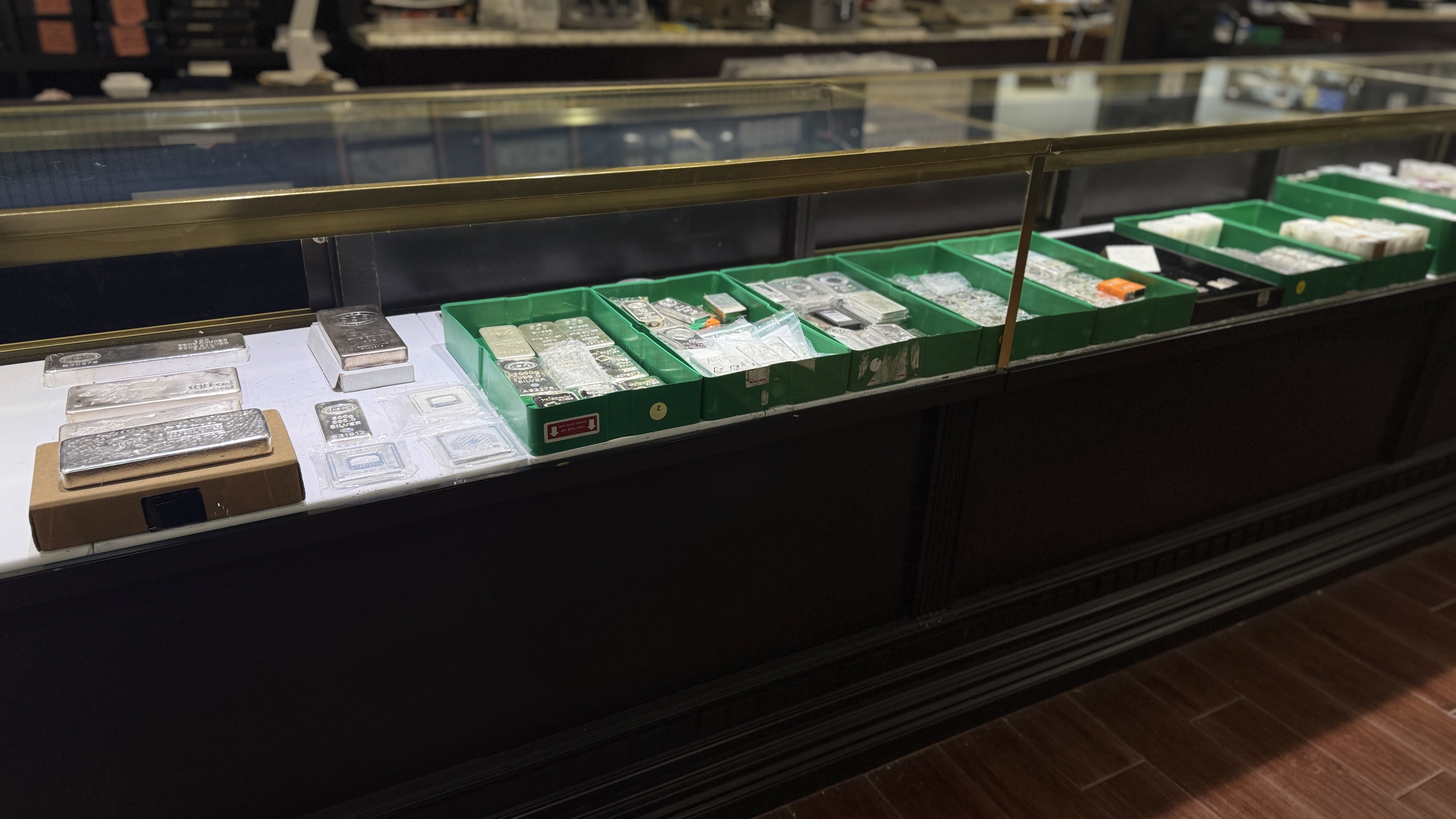
Bullion, common silver and rare coins are not the same market. Gulf Coast Coin & Jewelry buys across all three — combining an active precious-metals market with the numismatic expertise needed to recognize when the coin itself may be worth more than its metal.
A one-ounce bullion coin, a bag of circulated U.S. silver and a scarce pre-1933 U.S. gold coin may all contain precious metal, but they should not automatically be evaluated the same way.
Bullion is closely tied to the current precious-metals market. Common coinage may trade based on a combination of metal value and coin-market demand. Rare and collectible coins can have numismatic value well beyond their underlying gold or silver.
Gulf Coast operates in both worlds. We actively trade physical precious metals while maintaining the coin-market knowledge needed to recognize when an item deserves a numismatic look.
Original surfaces and condition can matter to collectors. If you aren't sure whether something is bullion or a collectible coin, leave it exactly as you found it.
The answer determines what matters most during the evaluation. These categories overlap, but they are not interchangeable.
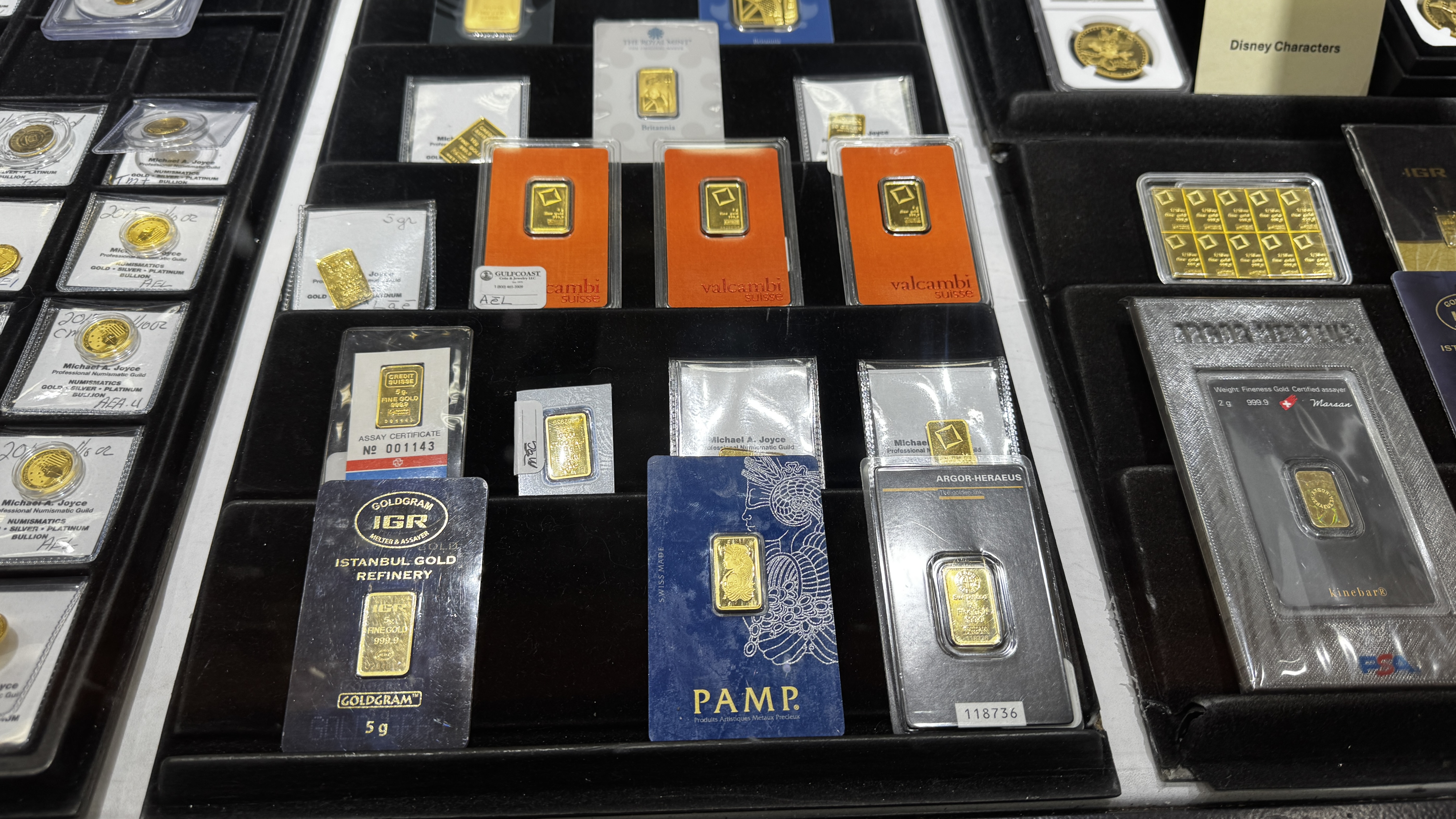
Gold and silver bars, rounds and widely traded bullion coins are primarily precious-metal products. Weight, purity, product type and current market conditions are central to their value.
Explore Bullion →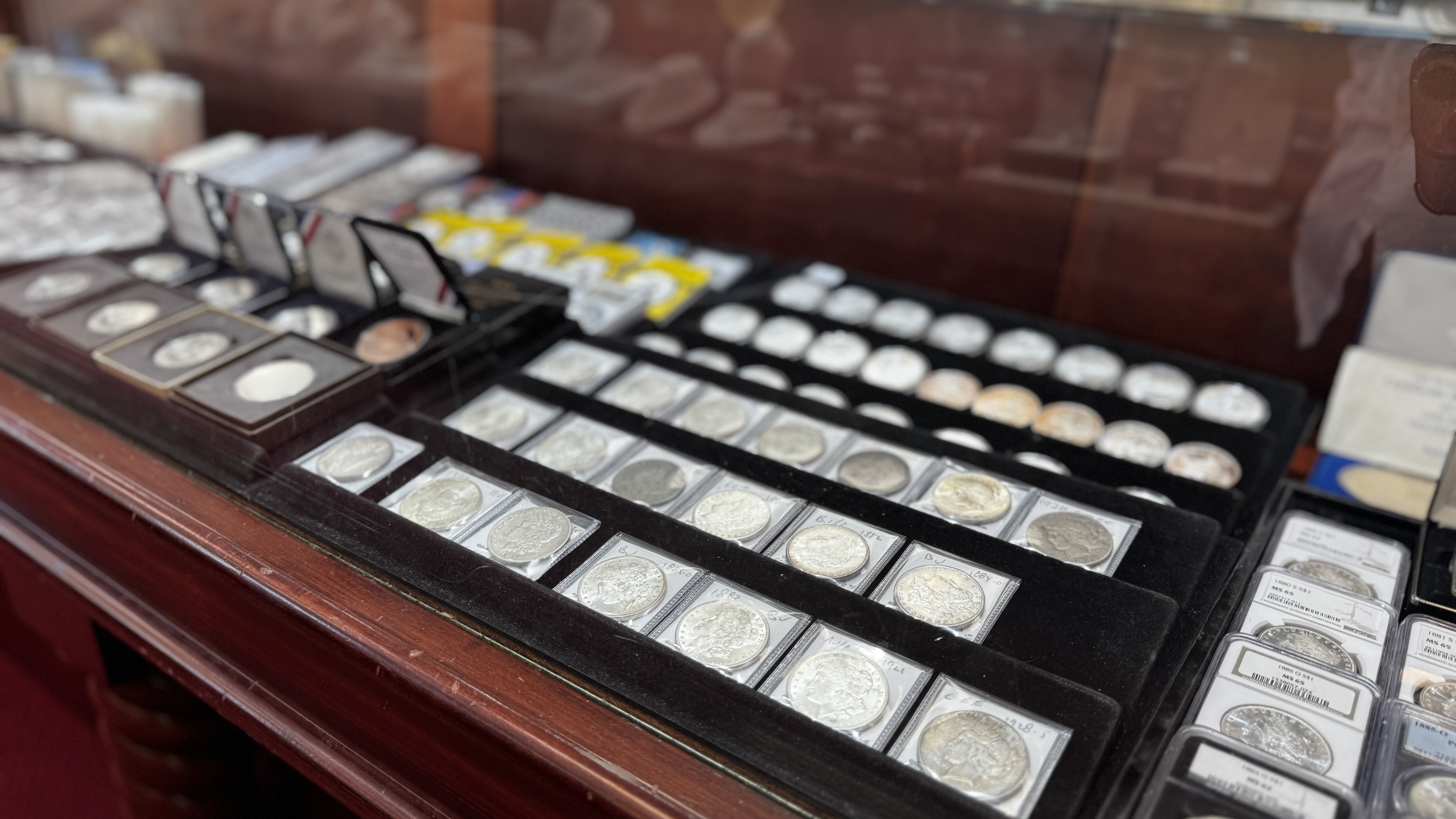
Morgan and Peace dollars, pre-1965 U.S. silver and other widely traded coins can have recognizable coin-market premiums in addition to their precious-metal content.
Explore U.S. Coins →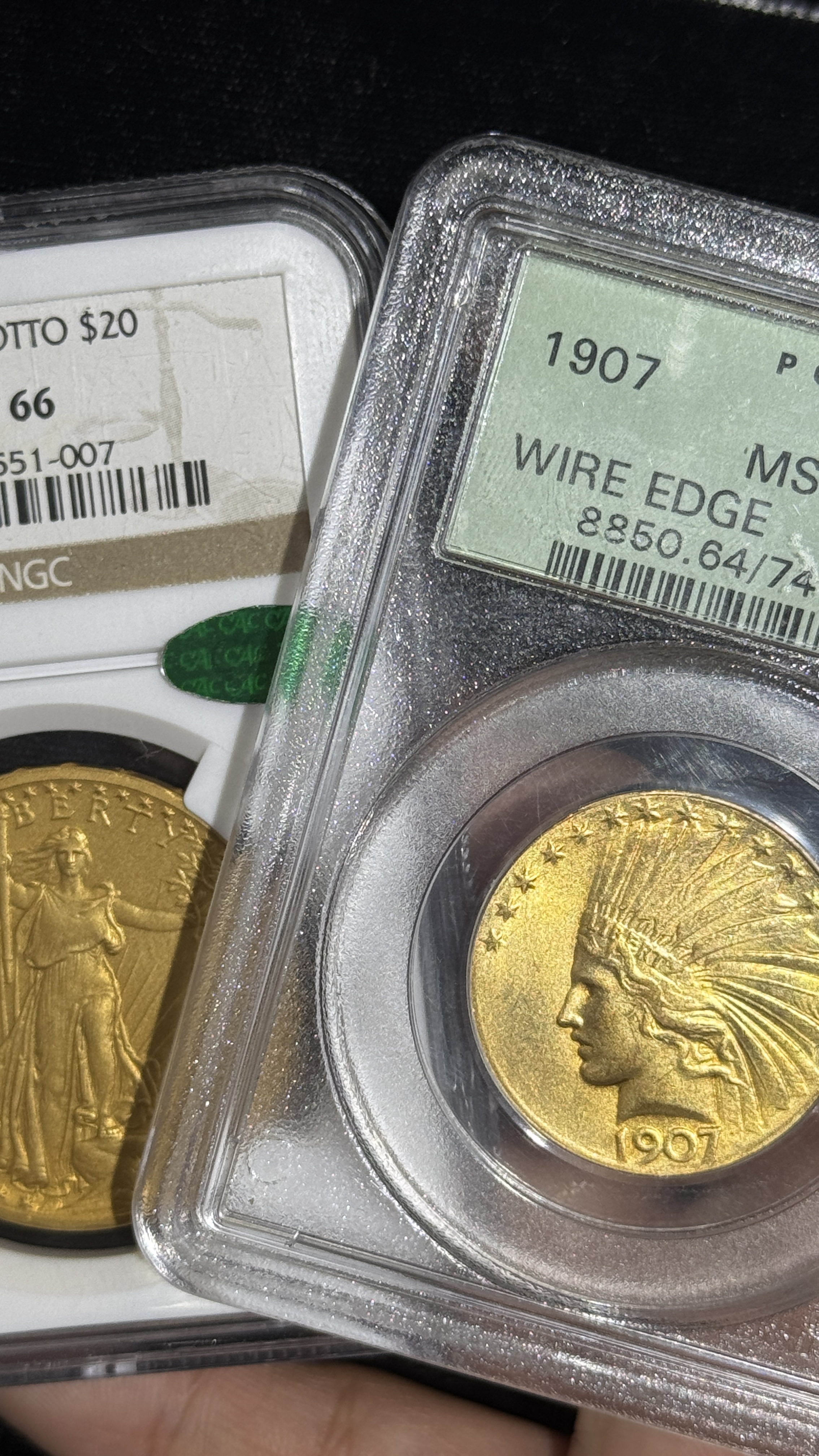
Date, mintmark, condition, rarity, variety and collector demand can matter substantially more than metal value. These deserve review by an experienced coin dealer.
Explore Rare Coins →You do not need to separate everything into categories before visiting us. Bring what you have and let the coin and precious-metals team determine what deserves individual attention.
Gold coins, government bullion, fractional gold, bars, foreign gold and historic U.S. gold coins.
Silver bars, rounds, government bullion coins, 90% U.S. silver coinage, silver dollars and larger holdings.
U.S. and world coins with potential collector value, including certified coins and important individual pieces.
Coin collections, inherited holdings, accumulations, bullion positions and larger estates.

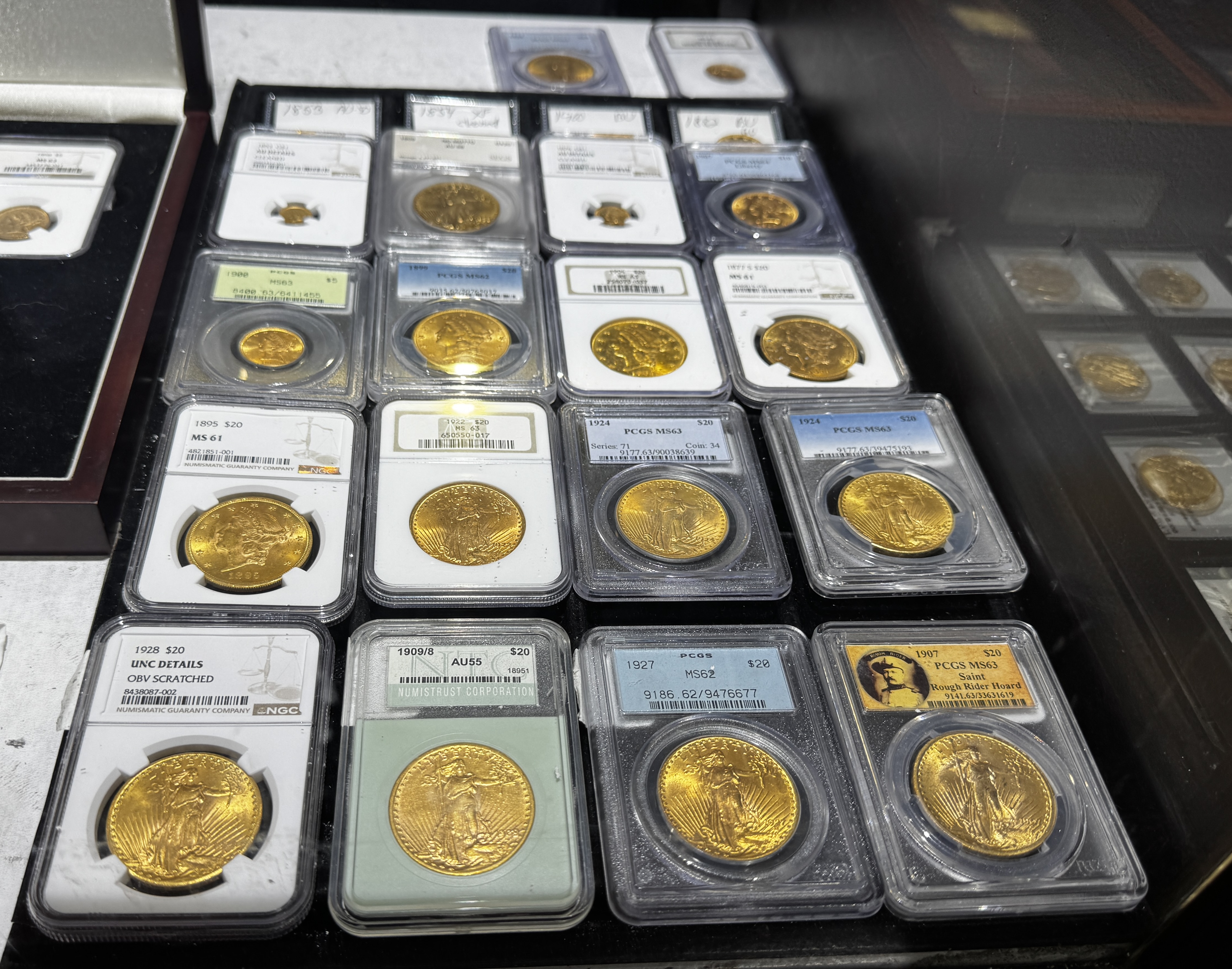
Pre-1933 U.S. gold occupies both the precious-metals and numismatic markets. Some pieces trade primarily with the gold market. Others can carry meaningful collector value because of their date, mintmark, condition, rarity or desirability.
That distinction is where decades of trading experience matter. Before assuming an old U.S. gold coin is simply worth its gold content, let someone who knows the coin market look at the coin.
“Put my almost 50 years of trading to work for you.”
Want a real-world reference before you come in? Gulf Coast publishes current buying and selling prices for commonly traded Pre-1933 U.S. gold coins. Prices can change with the market and apply to the products and conditions shown on that page. Scarcer dates, better-condition coins and other numismatic material may require individual evaluation.
Historic U.S. gold coins were money before they became collectibles. Today, their markets range from commonly traded gold coins to genuinely scarce pieces sought by collectors.
That is why we look at the coin before reducing it to a weight of gold. An experienced numismatic review considers the characteristics that can create value beyond the metal.

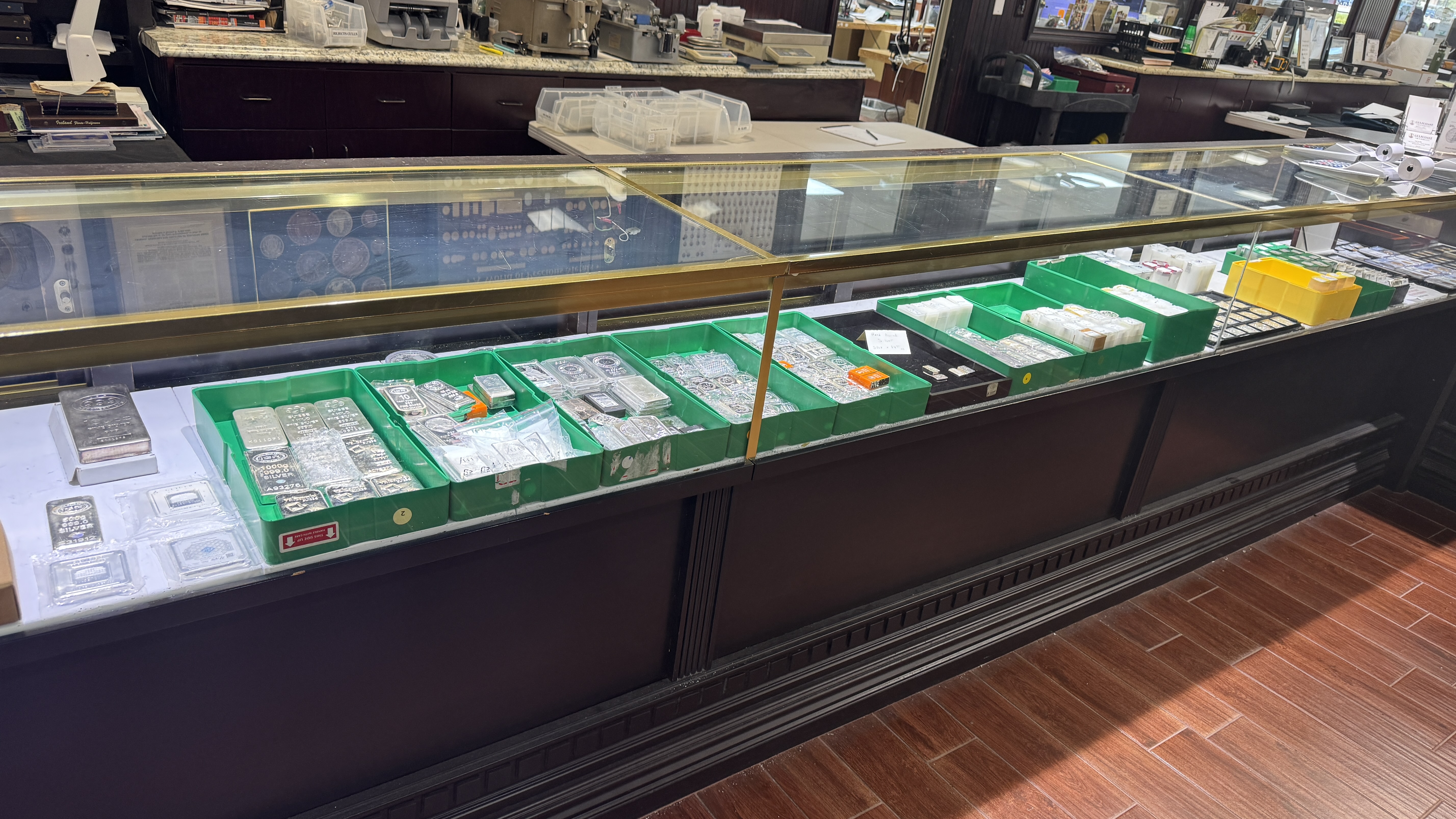
When you're selling bullion, the precious metal itself is usually the starting point. Weight, purity, product type, current spot markets and current wholesale and retail trading conditions all contribute to the market for the product.
Gulf Coast operates as a high-volume precious-metals dealer, buying and selling physical gold and silver throughout Southwest Florida.
We've built dedicated resources for some of the items customers most frequently bring to Gulf Coast. If one looks familiar, you can learn more before your visit.
Dimes, quarters and half dollars from the traditional 90% silver era are commonly traded by face value and silver content — while individual collector coins may deserve separate consideration.
View the Silver Coinage Guide →
Old does not automatically mean rare. See why date, mintmark and condition can make two seemingly similar silver dollars belong in very different markets.
View the Silver Dollar Guide →
Flip through Gulf Coast's illustrated reference covering U.S. and foreign gold coins, fractional gold, bullion, bars and other physical precious metals.
Flip Through the Book →An inherited collection may contain ordinary bullion, circulated silver, common collector coins and important individual pieces all in the same box.
You don't need to identify everything before coming to Gulf Coast. Keeping the collection together can also preserve useful information about how it was assembled.
Bring the collection as you found it and let our coin department determine what deserves individual attention.
You don't need to know the spot price, grade every coin or organize an inherited collection before speaking with us.
Bring the coins, bullion or collection as you found it, including holders, boxes and existing certifications.
We determine what is bullion, common coinage and what may deserve individual numismatic attention.
Precious-metal markets, coin-market demand and the characteristics of the individual items are considered.
If Gulf Coast makes an offer, the decision to sell remains yours.
If you have an unusual coin, an inherited collection or something you cannot identify, show Gulf Coast what you have before making assumptions about its value.
Common questions before bringing coins or precious metals to Gulf Coast.
No. If you inherited coins or simply do not know what you have, bring them as you found them. Our coin department can separate ordinary bullion and common coinage from pieces that may warrant individual numismatic attention.
No. Do not polish or clean potentially collectible coins. Altering the surfaces can reduce collector desirability and may affect numismatic value.
Yes. Gulf Coast publishes current buying and selling prices for commonly traded Pre-1933 U.S. gold on our dedicated pricing page. Prices are subject to market changes, and scarcer or more collectible coins may require individual evaluation.
Yes. Gulf Coast actively buys and sells physical precious metals, including many forms of gold and silver bullion, government-issued bullion coins, bars and rounds.
Yes. Historic U.S. gold should be reviewed as a coin before being treated solely as precious metal. Date, mintmark, condition, rarity and collector demand may contribute to its market value.
Yes. Gulf Coast buys certified coins as well as raw coins and complete collections. Existing certification should remain with the coin when you bring it in.
Yes. Gulf Coast considers individual coins as well as complete collections, inherited holdings and larger accumulations. You do not need to sell the collection piece by piece before speaking with us.
Yes. Gulf Coast buys common as well as collectible silver dollars. Date, mintmark and condition help determine whether a particular coin belongs primarily in the common silver-dollar market or deserves additional collector consideration.
Yes. Gulf Coast buys 90% U.S. silver coinage in quantities ranging from individual groups and rolls to partial bags, full bags and larger holdings.
No. If Gulf Coast makes an offer, the decision to sell remains yours.
Bring your items to Gulf Coast or start by sending clear photographs. For coins, photograph both sides and include pictures of any grading holders, labels, boxes or information that came with the collection.
All Internet and Website Prices are indicators ONLY. Must be confirmed by phone or in person. Price Subject to change quickly and without notice.